Useful information
How do masters find and retain clients? — a practical article with explanations and recommendations for technicians, service centers, and users. It highlights the main points to consider when choosing, using, or repairing devices.
A phone repair shop wins customers when people can quickly see what it fixes, reach it without friction and trust the process before they hand over a device. It keeps them through careful intake, a diagnosis before any quote, written approval for the work, regular status updates and a clear check at pickup. Price matters, yet a low price will not make up for vague communication or extra work nobody agreed to.
The customer journey from first search to repeat visit
| Stage | What the customer wants to know | What the shop does | What to track |
|---|
| Search | Which devices and faults you handle | Lists services, opening hours, address and current contact details | Where each enquiry came from |
| Booking | When they will hear back and when to bring the device in | Asks a short set of first questions and confirms the slot | Enquiries that turned into jobs |
| Intake | What condition and accessories were recorded | Notes model, serial number, visible condition, accessories, symptom and contact details | Complete, readable job cards |
| Approval | What will be done, the estimated cost and the timeline | Sends the quote and waits for approval before starting | Time from quote to approval |
| Pickup | What was repaired and how it was tested | Runs the relevant functional test and confirms the work in writing | Returns for the same fault |
| After the repair | Who to contact with a question | Offers one contact channel and asks for feedback without repeated messages | Reviews and repeat orders |
How to get your first repair enquiries
- Define the repairs you can deliver consistently. A precise list tells people at a glance whether it is worth contacting you.
- Make the shop easy to find. Keep your address, hours, phone number and booking method up to date on your website and local business listings.
- Show your process, not your customers' data. Photos of an organised bench, diagnostic steps and final checks work well, as long as nothing identifies a customer without their consent.
- Ask for a review after a finished job. Invite customers to describe their experience in their own words. Do not script the text or suggest a rating.
- Record the source of every enquiry. After a few comparable periods you will see which channels bring paid jobs, as opposed to clicks or messages.
Do not compete on the lowest price alone
A quote is easier to compare when it separates diagnostics, labour, parts or materials, the estimated turnaround and the situations in which the price can change. If the diagnosis points to a different cause than the one assumed at the counter, stop and ask the customer to approve the new scope before you continue.
A cheap headline price can bring people in, but your costs also include time spent on messages, repeat testing, consumables and occasional comebacks. Set prices from your own costs and the complexity of each job rather than by copying the shop down the street.
Proper intake prevents disputes
A job card should record the device model and serial number, any accessories left with it, its visible condition, the symptom in the customer's words and how to reach them. Give the customer an order number or another reference they can quote when they ask for an update.
Do not ask for the unlock code by default. First decide whether the agreed test actually needs access to the phone's data, explain why, and record the customer's consent. Keep that access limited to what the agreed check requires.
As order volume grows, one shared record helps the team follow approvals, reserved parts and repair history. Our guide to choosing repair shop management software explains what to look for.
Diagnose before you quote
The symptom a customer describes is where diagnosis starts, not where it ends. Write down which checks you ran, under what conditions and what you observed. Power and charging faults may call for electrical measurements and a look at the charging path; the exact steps depend on the device and the fault.
A multimeter for basic measurements
Note the measurement mode, the test points and the conditions behind each reading. A single number without context or a suitable reference value does not identify the cause of a fault on its own.
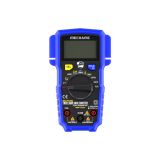 Mechanic MiniTD MX digital multimeterout of stock›
A USB tester for charging checks
A USB tester shows the values that particular model can display during the test. Read them together with the condition of the cable, the charger, the port and the phone itself. The tester supports a diagnosis; it does not replace one.
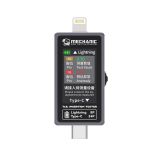 USB tester Mechanic T-82427,62 $›
For a wider look at kitting out a bench, see our article on equipment that makes repair work more efficient. Choose tools based on the jobs you actually take on and the procedures you can carry out safely.
How to keep customers after the first repair
- Flag changes before you carry on. If the diagnosis changes, get fresh approval for the work, the cost and the timeline.
- Show the relevant check. At pickup, test with the customer the functions your repair could have affected.
- Put it in writing. State the work done, the part fitted and how to report a problem later.
- Say what you could not test. If a function could not be checked or there is a separate fault, note that limitation.
- Keep follow-up light. Send only relevant messages and give customers an easy way to opt out of promotions.
Your workflow should protect the device and the technician alike. Build safety rules for electronics repair into your shop procedures instead of treating speed as the only measure of good work.
Content that helps customers choose you
Answer the questions people have before they book: how to prepare a phone for repair, what you check before fitting a part, why a quote can change and what gets tested at pickup. Real examples of your process and honest limits are more useful than broad promises to fix anything.
Publish photos and results only when you have the right to use them. Remove names, phone numbers, serial numbers and notifications visible on screen. If anonymising is not enough, drop the example.
Monthly checklist for a repair shop
- Compare the number of enquiries, booked jobs and the channels they came from.
- Review declined quotes and the reasons for delays.
- Look at comebacks for the same fault alongside the diagnostic notes.
- Check your published hours, contact details and service list.
- Update your intake, approval and pickup templates based on real problems you ran into.
Compare results with earlier periods of your own shop under similar conditions. If fewer enquiries turn into jobs, look separately at response time, how clear your first questions are and why people decline quotes. If the same fault comes back after a repair, review the recorded diagnosis, the final check and the parts used.
Summary
Getting customers starts with a clear list of services and contact details that are easy to find. Keeping them depends on a process they can follow: thorough intake, documented diagnosis, an approved quote, timely updates and a check at pickup. Measure your own results and improve the steps where delays, declined quotes or repeat faults show up.

 UA
 RO








The information below is required for social login
Sign In
Create New Account