Information
The best repairable smartphones. — an informational article for technicians, service centers, and users, covering practical details related to choosing, using, and repairing electronics.
A repairable phone is one you can open without breaking anything, for which you can get parts and instructions, and which works normally after a component has been replaced. The customer pays less for the repair and keeps the phone for more years, and the repair shop spends less time on disassembly and gets fewer surprises after reassembly.
This article first appeared in September 2023 as a list of seven easy-to-repair phones. We updated it in October 2026. The original list stays as a historical reference, and the focus has moved to the criteria for judging how repairable a current model is, including the EU label that became mandatory in June 2025.
What the 2023 list showed and why it is no longer enough
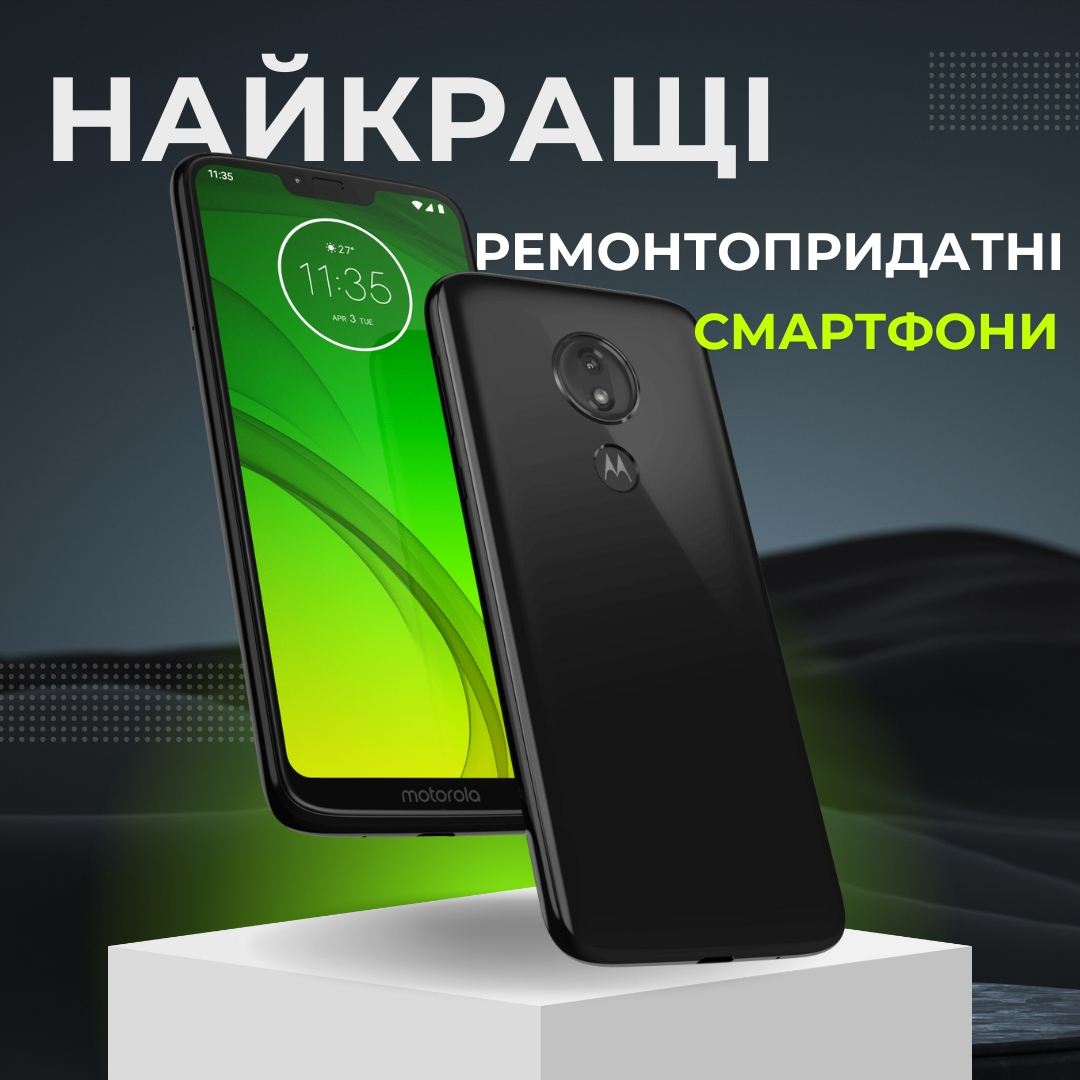
The 2023 list was based on a study published in May 2023 by the website Electronics Hub. Its authors analysed the iFixit repair guides for 228 phone models and compared average repair times and difficulty. The Motorola Moto G7 (2019) came out on top, with repairs taking about 25 minutes on average.
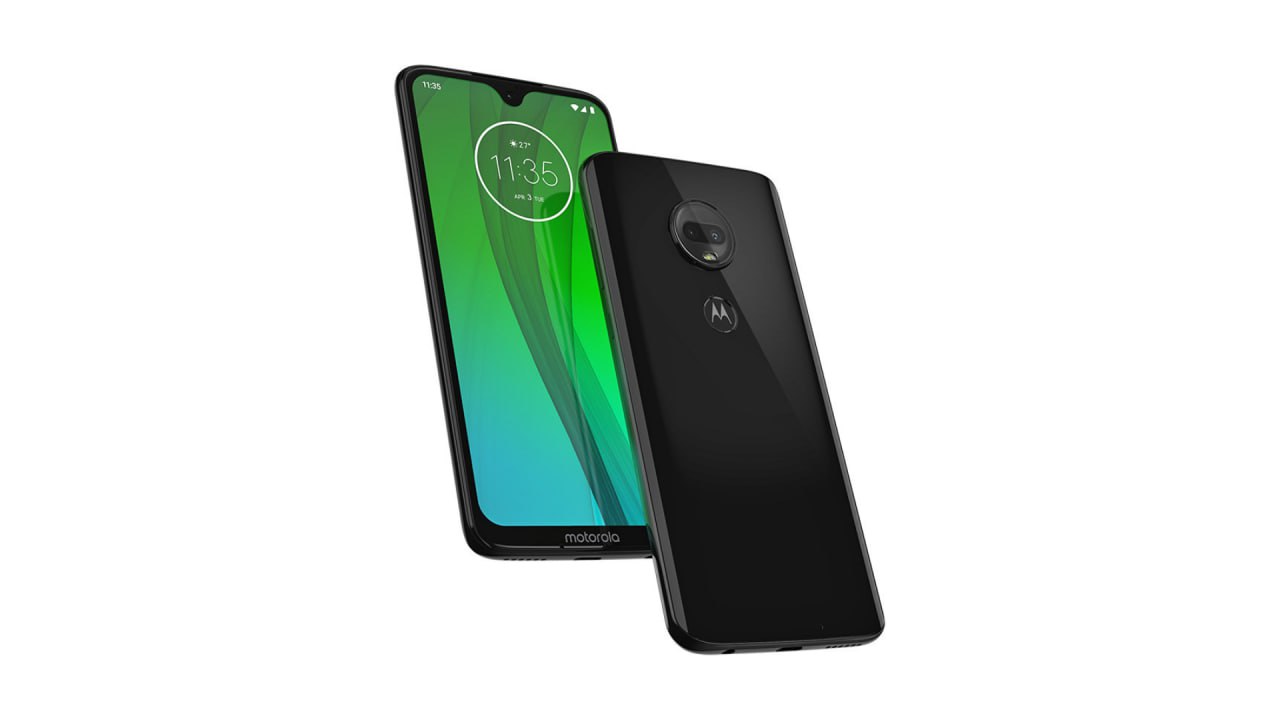
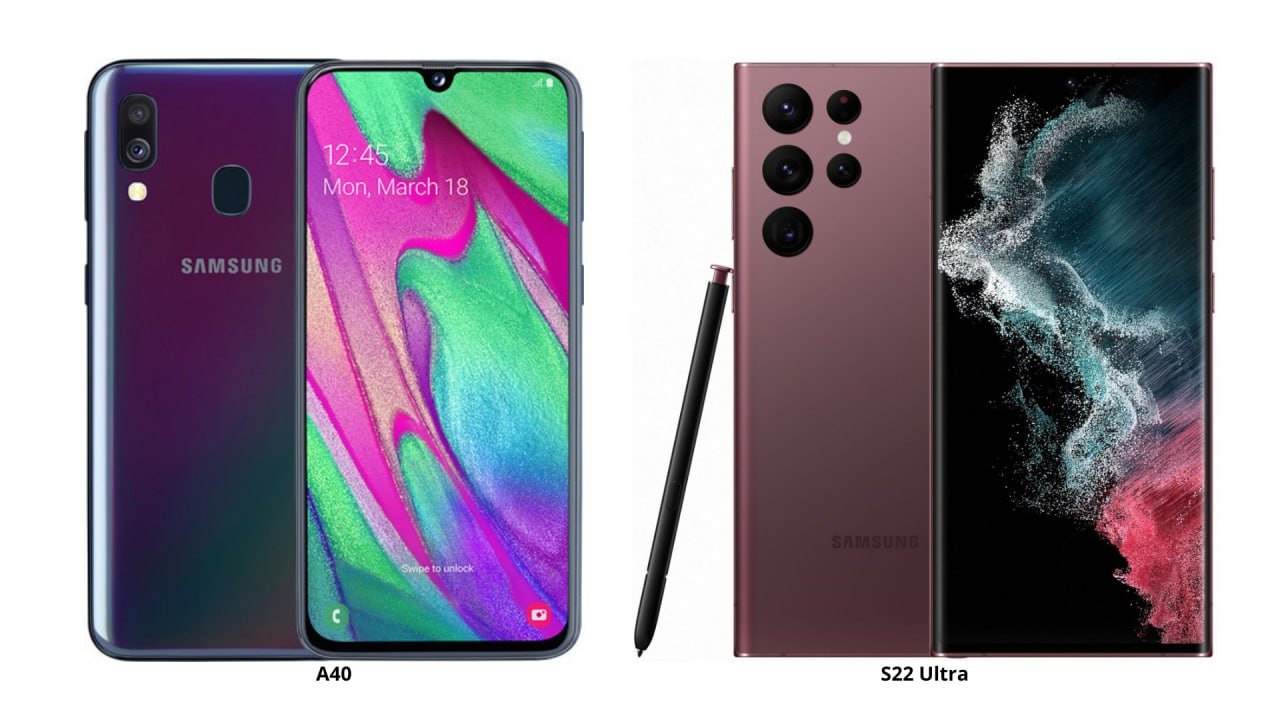
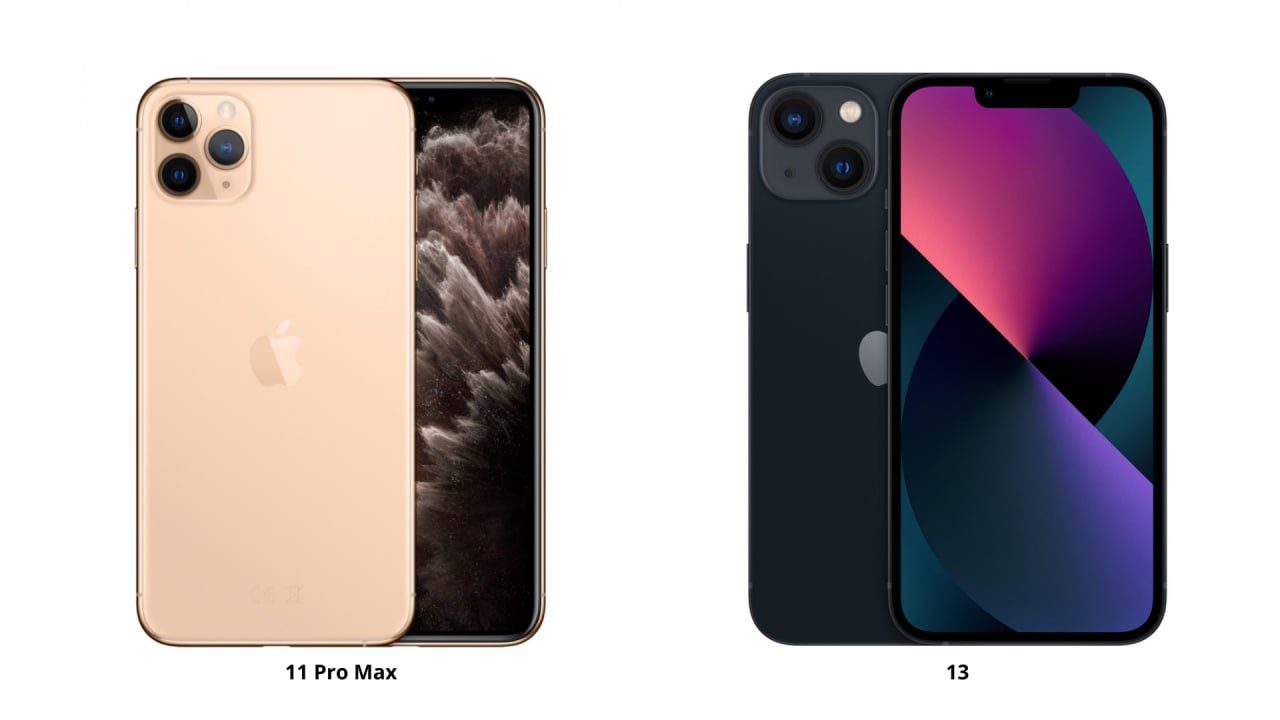
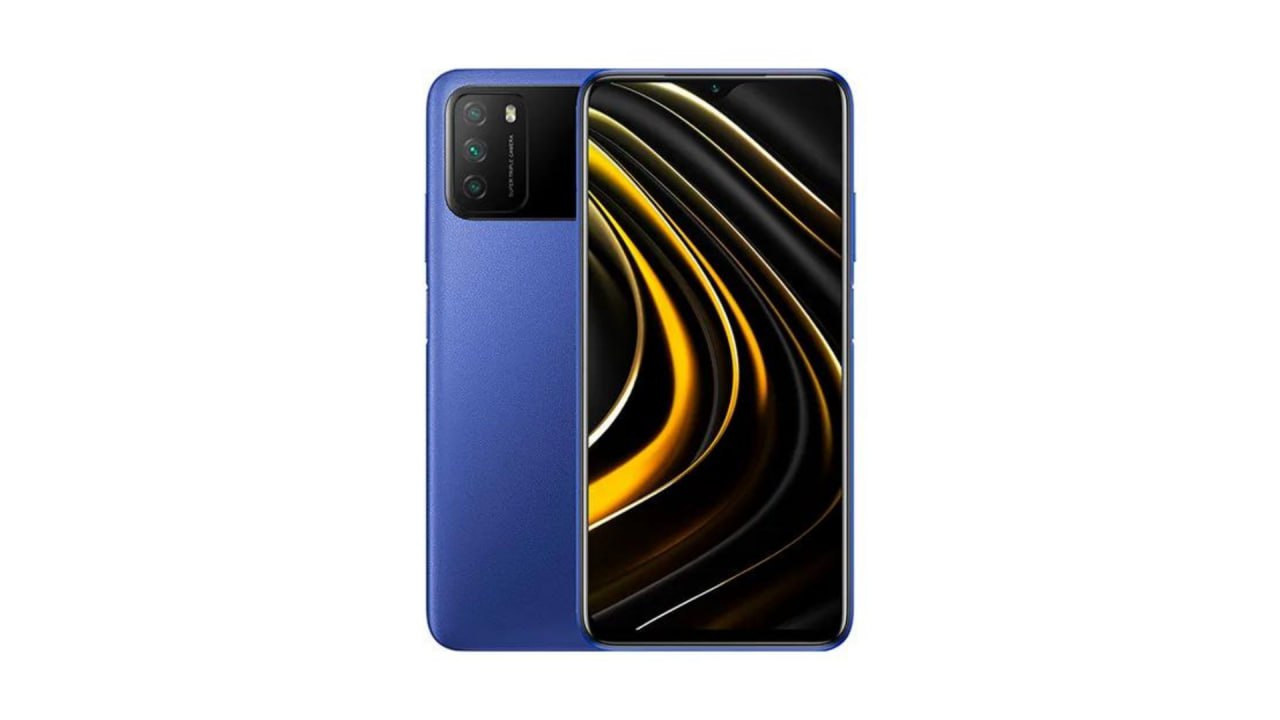
Next came the Samsung Galaxy A40 (2019), at around 32 minutes, and the Galaxy S22 Ultra (2022), at around 48 minutes. Our list at the time also included the iPhone 11 Pro Max, the iPhone 13, the POCO M3 (around 35 minutes) and the OnePlus Nord 2 (around 44 minutes).
The study measured how long a repair takes when you follow the published guides. It did not measure how easy it is to find parts or whether the phone accepts a new component without errors. The 2019-2022 models have also been off sale for a long time, and new parts for some of them are getting harder to find. As a historical reference the list is still useful. For a phone you buy now, the questions are different.
How repairability is measured in 2026
Today there are two public sources that complement each other: the iFixit score and the EU energy label.
The iFixit score runs from 0 to 10 and is given after an actual teardown of the phone. It looks at how quickly you can reach the screen and the battery, the types of screws and adhesives, the tools you need, and whether the manufacturer offers parts and instructions. iFixit updates its scoring rubric regularly, so scores from different years are not directly comparable. Some scores are first published as provisional until official parts become available.
The EU label for smartphones and tablets applies to models placed on the EU market from 20 June 2025. Besides the energy efficiency class, it shows battery endurance per charge, how many charge cycles the battery is rated for, resistance to repeated drops, the IP protection rating and a repairability class from A (easiest to repair) to E. The QR code on the label leads to the model's entry in the EPREL database. There you can see the detailed index: disassembly depth, fastener types, tools, availability of parts, length of software updates and access to repair information.
The repairability class is declared by the manufacturer. A review published by the Right to Repair campaign in September 2026 found that only about 18% of the 2,334 phone records checked in EPREL linked to pages where you could actually find part prices or repair instructions. So the label is a good starting point, but it is worth checking on the manufacturer's website.
What EU rules require from manufacturers
Regulation (EU) 2023/1670 on the ecodesign of phones and tablets has also applied since 20 June 2025. The main requirements that matter for repairs:
- key spare parts must be delivered within 5-10 working days and stay available for 7 years after the model is no longer placed on the EU market;
- operating system updates must be provided for at least 5 years from the date the last unit of the model was placed on the market;
- the battery must keep at least 80% of its original capacity after 800 charge cycles;
- professional repairers must get non-discriminatory access to the software or firmware needed to replace parts.
Member states had to transpose Directive (EU) 2024/1799 on the right to repair by 31 July 2026. It obliges manufacturers of phones and other products covered by EU repairability requirements to offer repairs at a reasonable price and within a reasonable time. When a customer chooses repair under the legal guarantee, the seller's liability period is extended once by 12 months. On 25 September 2026, the European Commission opened infringement proceedings against 18 member states that had not notified full transposition. How the rules apply in a given country therefore depends on its national law.
Outside the EU these acts do not apply directly. Many phone models sold elsewhere are the same as in the EU, though, so a model's EPREL entry is still a useful source of information.
Examples from iFixit scores for recent phones
The table below shows some scores iFixit published for phones released in 2024-2025, checked on 1 October 2026. It is not a GSM-Forsage ranking. Scores can change, so check the iFixit page before making a decision.
| Model (year) | iFixit score | What weighed in the assessment |
|---|
| Fairphone 6 (2025) | 10/10 | Adhesive-free screen and battery, modular design, parts and instructions from the manufacturer |
| iPhone 16 (2024) | 7/10 | Battery held by electrically releasing adhesive, access to components through the back as well |
| iPhone 17 Pro (2025) | 7/10, provisional | Battery secured with Torx screws, parts and instructions from Apple, but five screwhead types |
| Google Pixel 10 (2025) | 6/10 | Back glass comes off without heat, easier battery and charge port repairs, but a lot of adhesive |
| Samsung Galaxy S25 Ultra (2025) | 5/10, provisional | Battery easier to remove and a modular charge port, but the screen is tightly glued to the chassis |
| Nothing Phone (3) (2025) | 3/10 | Difficult opening procedure, very hard screen repairs, no official parts |
Two factors decide most often: how you get to the battery and the screen, and whether the manufacturer sells parts. An expensive flagship can score low, while a phone designed for repair can get full marks.
What to check before choosing a phone
- Battery. Does it come out with pull tabs, electrically releasing adhesive or screws? A battery stuck down with ordinary adhesive needs heat, solvent and patience, and the risk of bending it goes up. We cover what shortens battery life in a separate guide on fast charging and battery wear.
- Screen. Can it be replaced from the front without taking the whole phone apart? On some models even a charge port replacement means removing the screen first.
- Parts. Does the manufacturer sell genuine parts, to repair shops only or to end users too? The price of a screen or a battery can make a repair uneconomic. With screens, the difference between original, Service Pack and copies matters a lot; see our article on display quality classes for details.
- Parts pairing. Some components carry a serial number linked to the logic board. After a replacement, the phone may show a warning or disable certain features until the part is calibrated with the manufacturer's software. Ask in advance how this works for the specific model.
- Documentation. Is there a service manual or public repair guides? Apple launched its Self Service Repair programme in the US in 2022 and extended it to eight European countries in December 2022, and the list has grown since then. Check the manufacturer's website for availability in your country.
- Sealing. A high IP rating usually means gaskets and adhesive that have to be replaced after opening. After a repair, water resistance is no longer guaranteed the way it was from the factory.
What a repairable phone means for a repair shop
A repairable model opens with standard tools rather than special fixtures. For most jobs you need a set of precision screwdrivers with bits that match the model (for example Phillips, Torx, Pentalobe or Tri-point), a suction cup to lift the screen or back cover, and plastic spudgers, which scratch the housing less and do not conduct electricity. Check the product page to see which bits a given set includes.
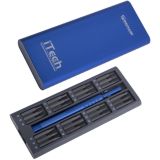 Mechanic iTech screwdriver set (48 in 1)out of stock›
 Kaisi Sucker suction cup puller0,79 $›
 Baku K-3 plastic spatula1,26 $›
How many tools a beginner really needs is one of the questions we look at in our article on common smartphone repair myths. Before opening a phone, note its condition and test the functions you can check: camera, sensors, charging, sound. That way you know what was faulty from the start and what to recheck after reassembly. On models with paired parts, find out in advance whether calibration is needed after replacement, and tell the customer what may appear on the screen.
In short
The 2023 list showed which phones were quick to repair following iFixit guides. For a phone chosen today, what matters more is access to the battery and the screen, the availability and price of parts, parts pairing and documentation. The iFixit score and the repairability class on the EU label help you compare models, and the manufacturer's website confirms whether parts can actually be bought.

 UA
 RO




The information below is required for social login
Sign In
Create New Account